
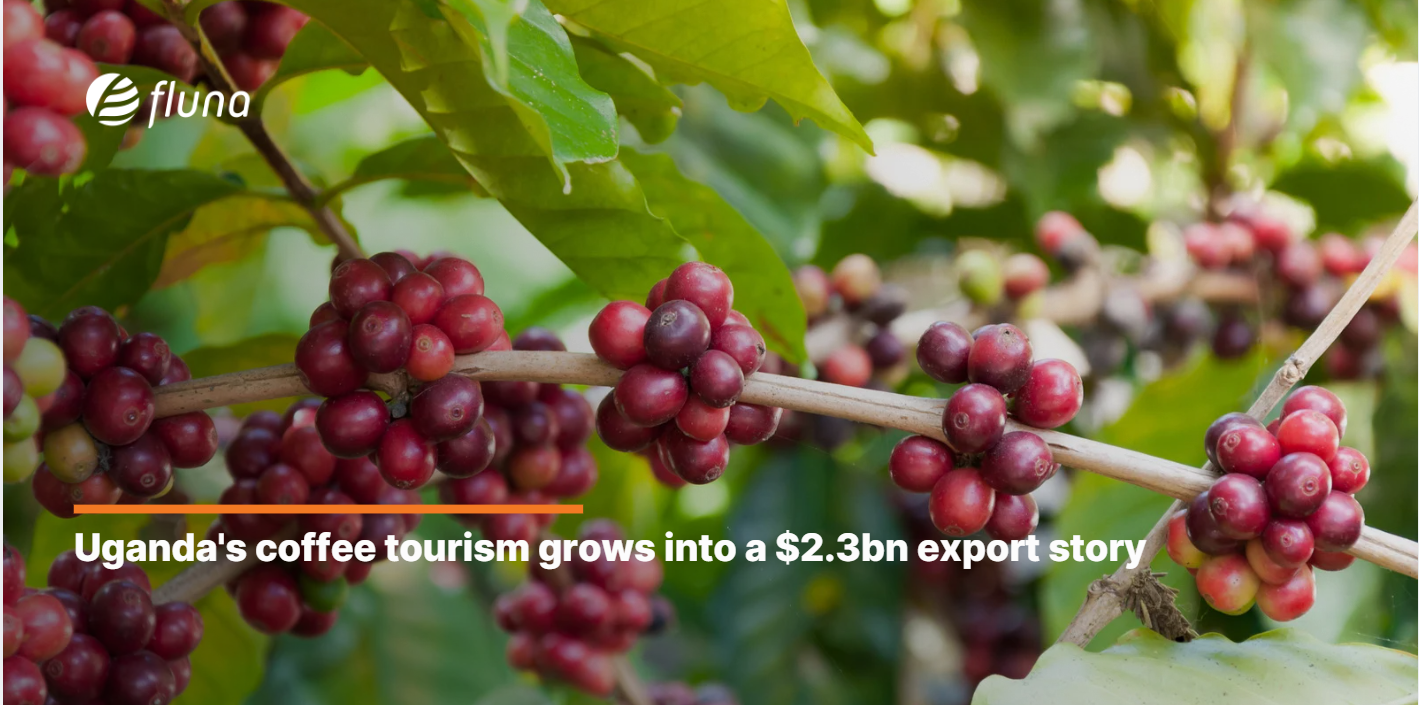
Uganda's coffee tourism grows into a $2.3bn export story
By Sandra Nansbuga
Uganda's Coffee Tourism Grows Into a $2.3B Export Story
The intersection of experiential origin travel and specialty agricultural trade has emerged as a powerful growth catalyst for East Africa's premier coffee origin. By welcoming international green buyers, roasters, and hospitality leaders directly into hillside growing communities, Uganda bridges the gap between agricultural producers and global consumer markets. Analyzing how this expanded Uganda coffee tourism export model drives buyer confidence provides commercial roasters with unmatched opportunities to establish direct relationship trade, secure traceable micro-lots, and authenticate farmgate sustainability.
According to economic industry reporting published by FurtherAfrica, agro-tourism initiatives across primary producing regions are directly reinforcing Uganda's ambitious national milestone of achieving $2.3 billion in annual coffee export revenues. Coordinated development strategies between the UCDA / MAAIF and regional coffee cooperatives showcase how on-farm experiences elevate buyer recognition and justify origin price premiums across international markets.
Origin Immersion Circuits and Uganda Coffee Tourism Export Synergies
Historically, commercial coffee sourcing functioned through distant intermediary trade channels, separating roasters from the agricultural reality of origin. Today, structured origin tourism circuits across Mount Elgon's Arabica slopes and the Western highland Robusta regions of Greater Bushenyi and the Rwenzori foothills allow commercial buyers to walk production plots, inspect washing stations, and evaluate cherry ripeness firsthand. This transparent engagement deepens buyer loyalty and facilitates long-term forward supply agreements.
Furthermore, agro-tourism serves as an uncompromised verification mechanism for emerging European sustainability mandates. Visiting roasters can directly inspect regenerative agroforestry practices, observe organic compost applications, and verify digitized polygon mapping at farmgate. This firsthand auditability provides importing partners with absolute confidence in statutory compliance under European deforestation regulations, transforming tourism into an empirical due diligence tool.
In addition, origin cupping pavilions situated directly at washing stations allow visiting roasters to cup fresh harvest arrivals alongside local Q-graders, securing exclusive micro-lot allocations before coffee enters bulk export milling channels. These collaborative sessions foster knowledge exchange between international cuppers and rural mill managers, directly raising processing standards across cooperative networks.
By connecting specialty roasters directly with coffee-farming families, agro-tourism fosters community development while ensuring transparent farmgate price transmission throughout producing districts. These personal connections transform transactional commodity purchases into multi-year commercial commitments that benefit entire rural farming communities.
| Tourism Circuit | Primary Terroir & Altitude | Core Coffee Varieties | Buyer Immersion Activities | Commercial Sourcing Impact |
|---|---|---|---|---|
| Mount Elgon Arabica Circuit | 1,500 – 2,200m (Volcanic slopes) | SL14, SL28, Nyasaland (Bugisu AA) | Washing station audits & high-altitude walks | Direct specialty Arabica contract bookings |
| Western Crater Lakes Circuit | 1,200 – 1,500m (Highland foothills) | Altitude Clonal Robusta (CWDr) | Fine Robusta cupping & fermentation trials | Single-origin espresso micro-lot procurement |
| Central Basin Estate Circuit | 1,100 – 1,250m (Lake Victoria crescent) | Traditional Clean Natural Robusta | Optical dry mill tours & bulk logistics reviews | Commercial container volume allocations |
What this means for buyers
Participate in Origin Sourcing Trips: Schedule dedicated origin visits during peak harvest windows (November to February in Central/Eastern regions and May to August in Western regions) to cup fresh lots at primary washing stations and secure priority allocations.
Enhance Brand Storytelling: Capture high-resolution visual assets, producer interviews, and GPS origin data during farm immersions to create compelling consumer-facing retail narratives that justify premium pricing in specialty cafes.
Direct Verification of Traceability: Utilize on-farm visits to audit cooperative farmer registries, examine digital intake scales, and cross-reference farm boundaries against satellite baselines, guaranteeing compliance with European market regulations.
Collaborative Fermentation Experimentation: Partner with forward-thinking estate managers during origin visits to trial custom processing protocols (such as anaerobic natural fermentation or yeast inoculation), creating distinctive cup profiles tailored to your brand.
Establish Multi-Season Supply Partnerships: Long-term supply relationships forged on origin estates ensure preferential volume allocations during periods of global supply tightening, protecting roaster operational stability and commercial predictability.
FAQ
Q: How does coffee tourism support Uganda's $2.3 billion export target?
A: Coffee tourism connects international buyers directly with producer communities, building commercial trust, driving direct trade contracts, and shifting exports toward higher-margin specialty grades that fetch premium prices.
Q: When is the best time for green coffee buyers to visit Ugandan origins?
A: The ideal time is during the main crop harvest periods: November through February for Mount Elgon Arabica and Central Robusta, and May through August for Western Fine Robusta.
Q: Can visiting buyers cup and contract coffees directly at origin?
A: Yes. Leading cooperatives and integrated export mills host certified cupping labs where buyers can evaluate harvest samples and execute direct FOB forward contracts with exporters.
Sources: FurtherAfrica | UCDA / MAAIF | Ministry of Agriculture