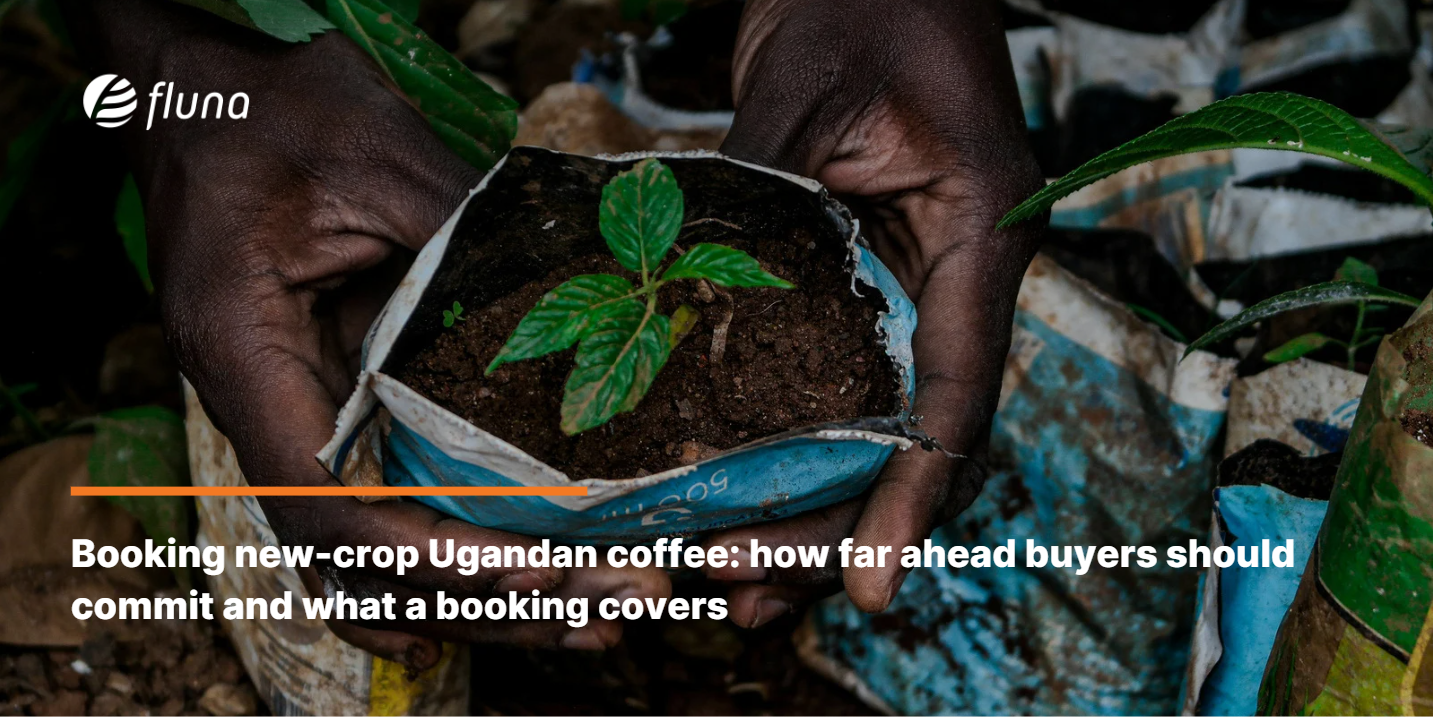
Booking new-crop Ugandan coffee: how far ahead buyers should commit and what a booking covers
Master new crop procurement. Learn forward commitment timelines, contract terms, and how to execute a secure Uganda green coffee booking before harvest
Insights, trends, and stories from the world of African agricultural trade

Master new crop procurement. Learn forward commitment timelines, contract terms, and how to execute a secure Uganda green coffee booking before harvest

Bank of Uganda blames the shilling slide on the Iran war and coffee prices. What a weaker shilling changes for a Ugandan coffee exporter dollar earnings.

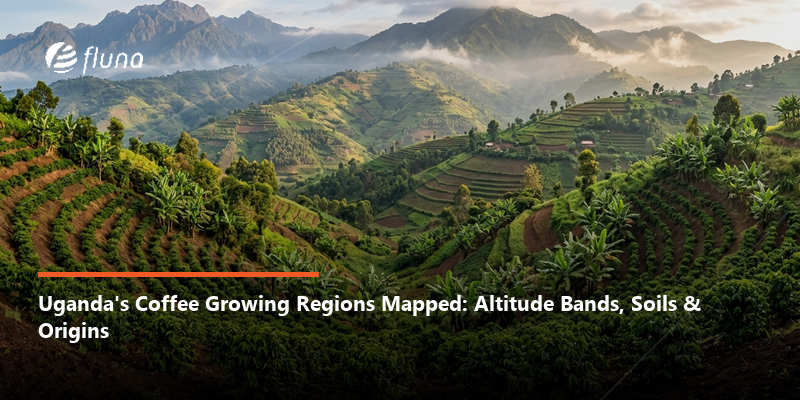
Explore Uganda coffee growing regions altitude bands and volcanic soils. Discover regional cup profiles across Mount Elgon, Rwenzori, and Central Robusta zones.

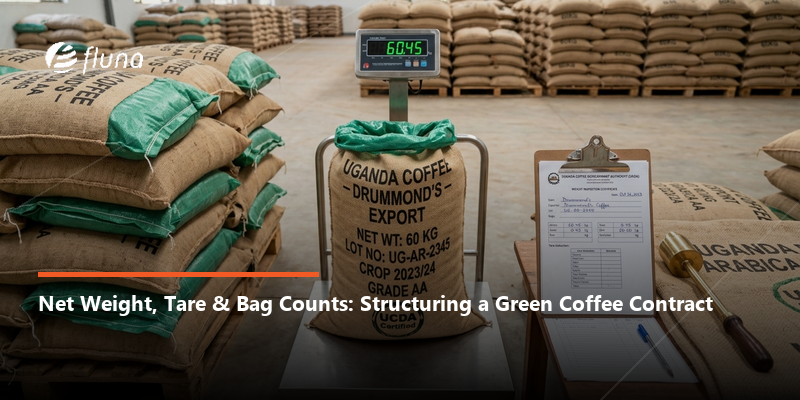
Master trade terms for coffee contracts. Learn tare deduction, bag counts, and clauses governing a Uganda green coffee contract weight basis before signing.

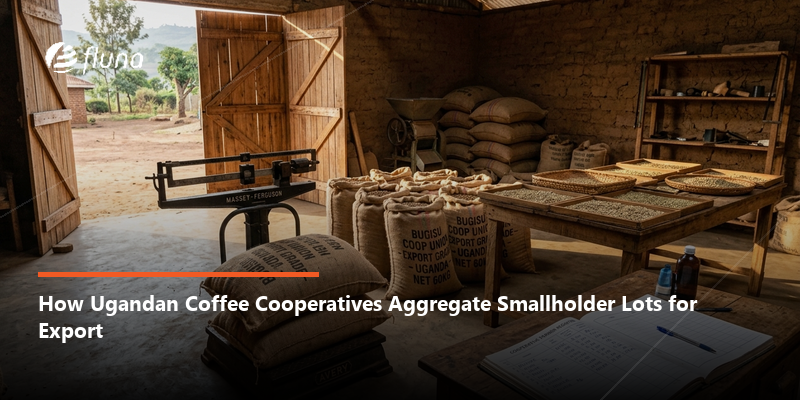
Ugandan coffee cooperatives turn smallholder lots into exportable volumes: collection, first grading, bulking, and handoff to licensed exporters for documentation and shipment.

A Ugandan farmer's tasting roadshow has turned a Next Media Park pitch into first European roaster orders, showing what direct trade means for exporters and buyers.

Start with a 200 to 500 gram cupping sample, step up to a 50 to 100 bag trial lot, then scale to a 320 bag, 19.2 metric tonne container. A staged path verifies quality and logistics before you commit.

Uganda is robusta's native home. Its distinctive canephora genepool drives origin credibility and the resilience behind a consistent, dependable cup.

Volcafe warns Uganda's 20 million-bag coffee target by 2030 depends on irrigation and farm technology, tempering near-term green coffee supply and forward-contracting expectations.

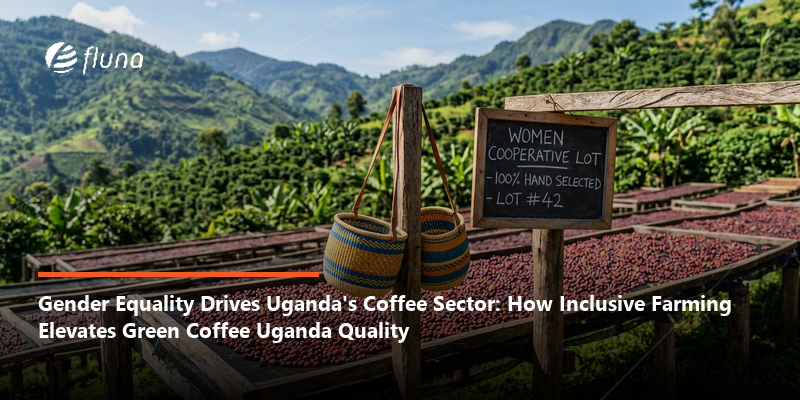
Discover how advancing gender equality in Uganda coffee farming improves selective harvesting, lowers bean defects, and elevates green coffee export quality.

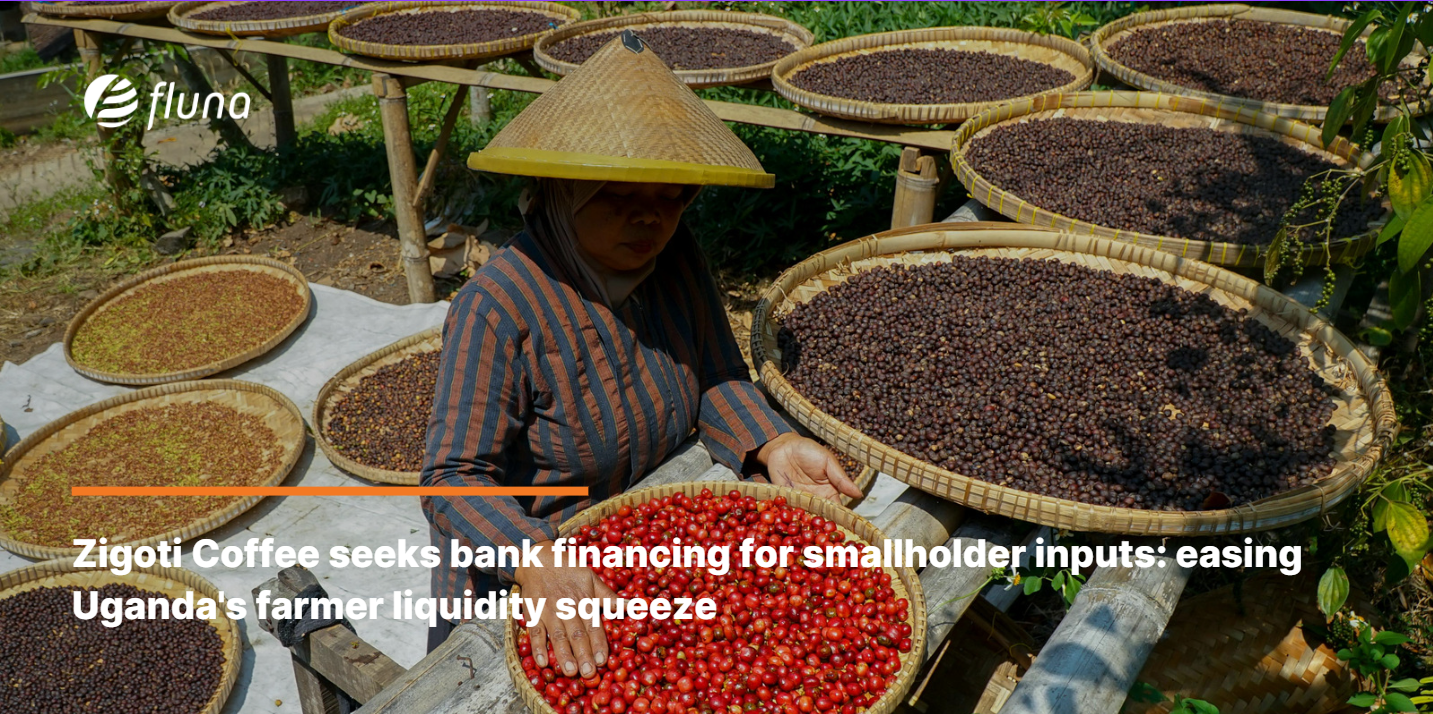
Zigoti Coffee Works is negotiating Equity Bank financing of up to UGX 2 million per smallholder for inputs, repaid from coffee proceeds. How credit access shapes Uganda's cherry supply and quality consistency.

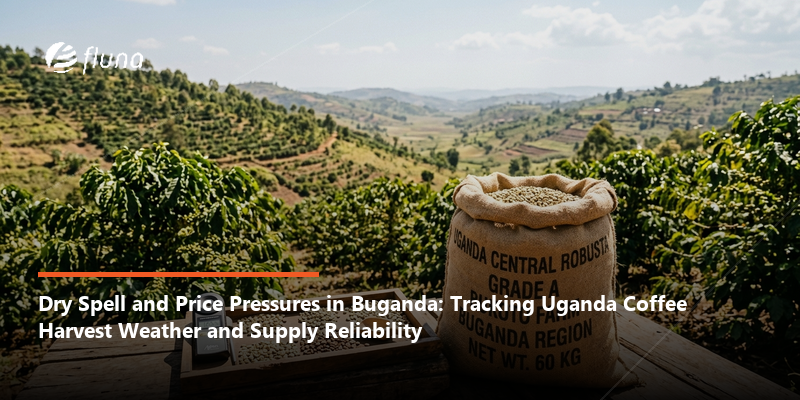
Explore how dry spells and price swings in Central Uganda affect Robusta coffee quality, screen sizes, and what buyers must do to maintain supply continuity.

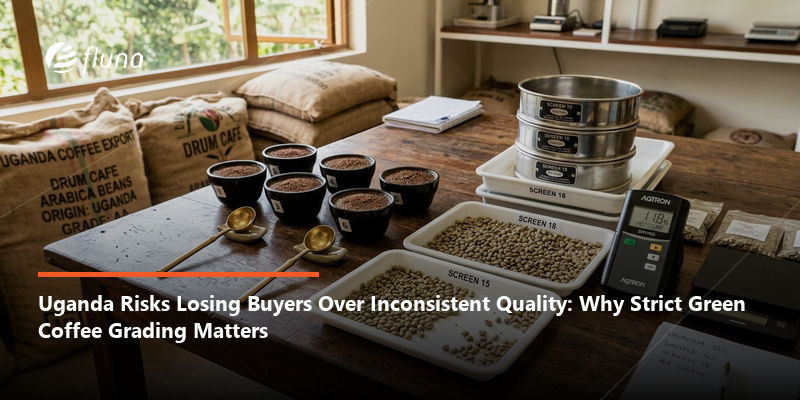
Understand why strict green coffee grading and export discipline in Uganda protect roasters against quality variations, defects, and transit moisture risks.

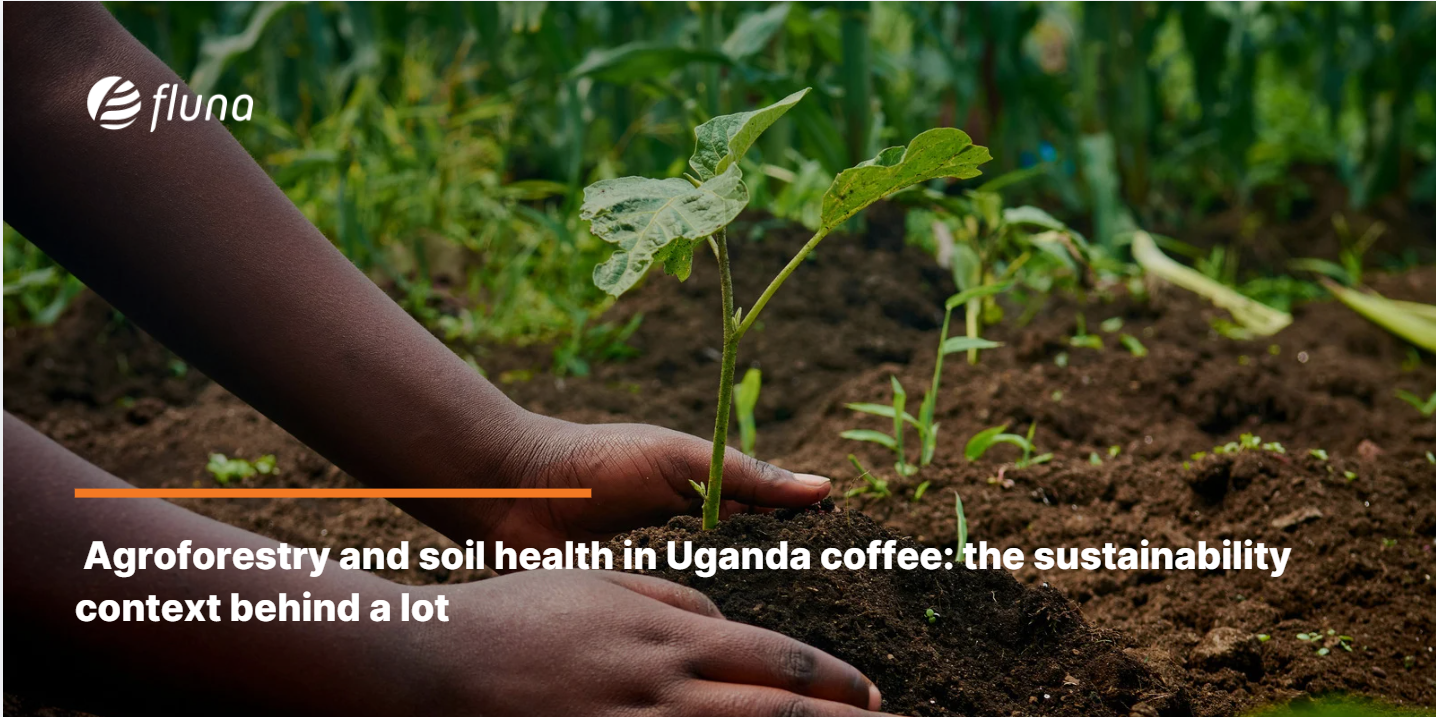
Explore how agroforestry shade systems and volcanic soil health shape green coffee Uganda quality, bean density, and European environmental compliance.

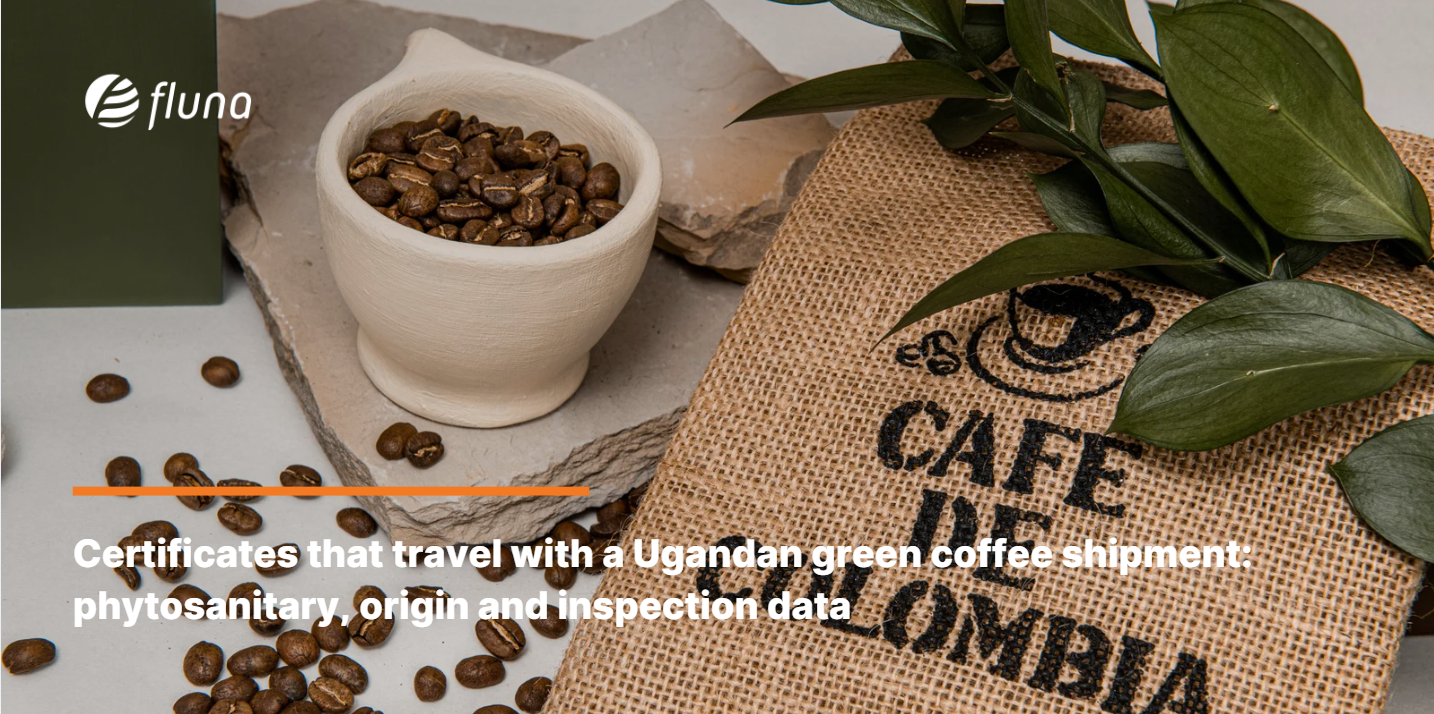
Explore the essential certificates traveling with Ugandan green coffee, including phytosanitary data, ICO origin certificates, and MAAIF quality reports.

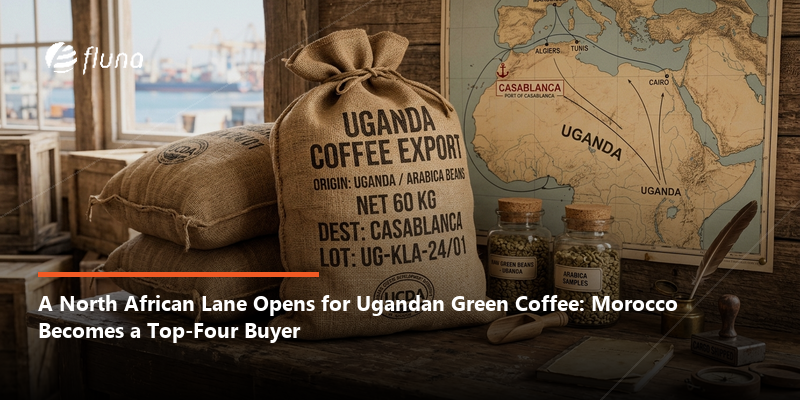
Morocco surged to Uganda's fourth-largest green coffee buyer in July, taking 5.9 percent of shipments. The robusta-heavy North African lane widens the buyer base against Italy and Sudan.

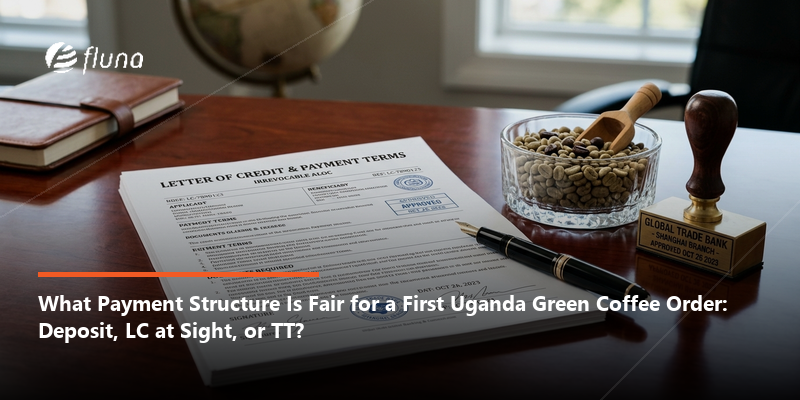
For a first Uganda green coffee order, a partial TT deposit plus a letter of credit at sight is the fairest structure. Uganda's sale contract registration and licensed exporters keep the deal secure.

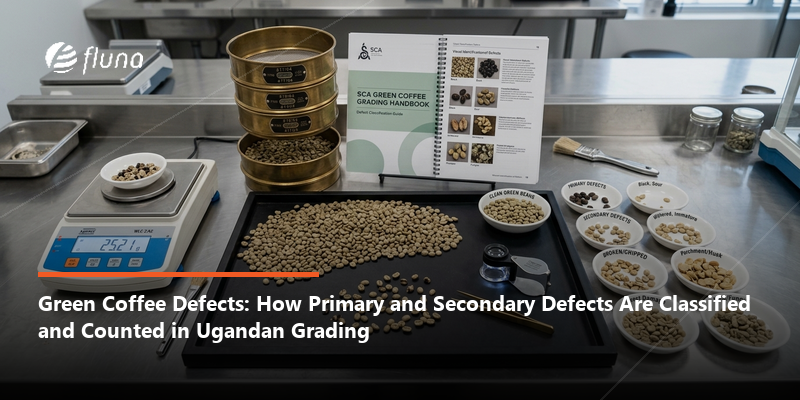
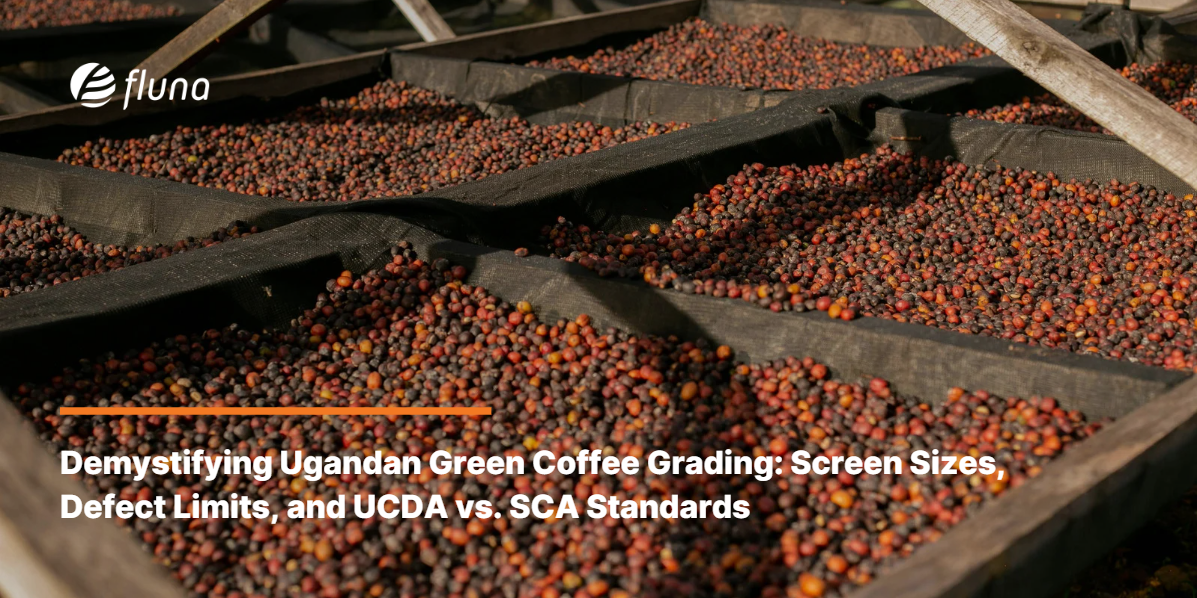
Uganda grades green coffee by screen size plus a defect count on a 300g sample. Learn how primary (Category 1) and secondary (Category 2) defects are weighted and which totals gate each screen grade.

Uganda's 20 million bag coffee goal depends on bee pollination, which research ties to about 60 percent of coffee yield, a supply-reliability factor for Uganda coffee buyers.

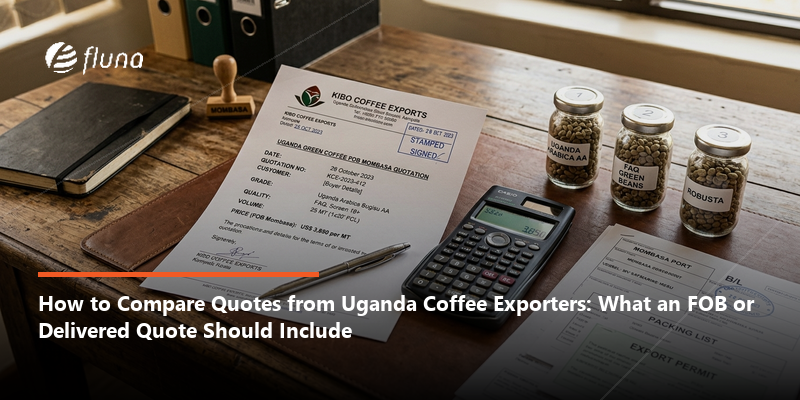
Learn how to compare quotes from Uganda coffee exporters, breaking down FOB Mombasa price components, screen specs, GrainPro packaging, and Incoterms rules.

Discover how the Uganda and South Korea 3500 tonne coffee agreement expands East Asian trade corridors and drives demand for specialty Bugisu AA and Robusta.

Discover how GrainPro hermetic liners, jute bags, and container climate controls protect Uganda green coffee export quality and cup scores during shipping.

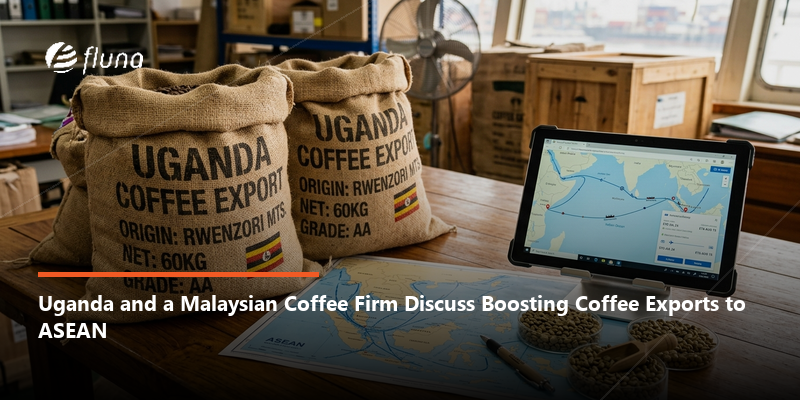
Explore how Uganda coffee export negotiations with Malaysian firms are opening ASEAN trade corridors, boosting demand for Robusta Screen 18 and Bugisu AA.

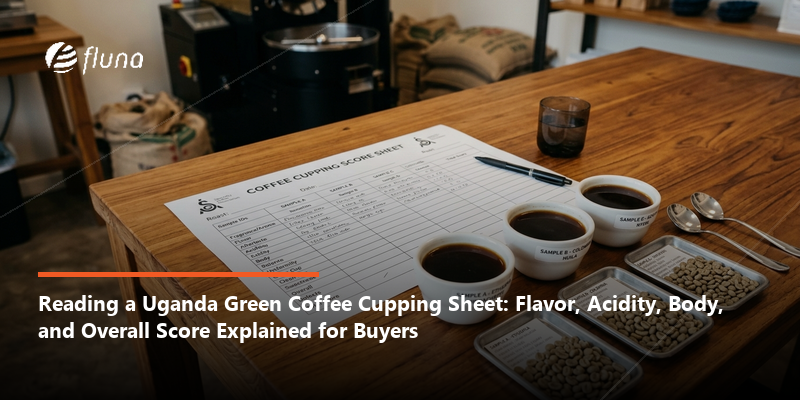
Master the Uganda green coffee cupping score sheet, learning how flavor, phosphoric acidity, body, and balance translate into specialty procurement signals.

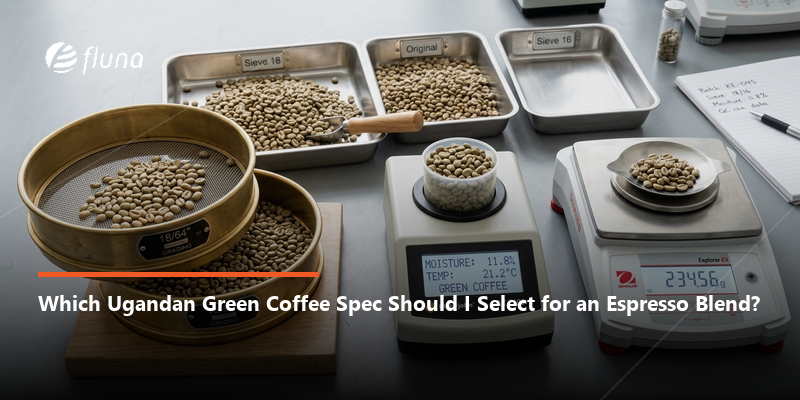
Select the optimal Uganda green coffee espresso blend spec, comparing Screen 18 Robusta, Bugisu AA, defect limits, and moisture targets for rich crema.

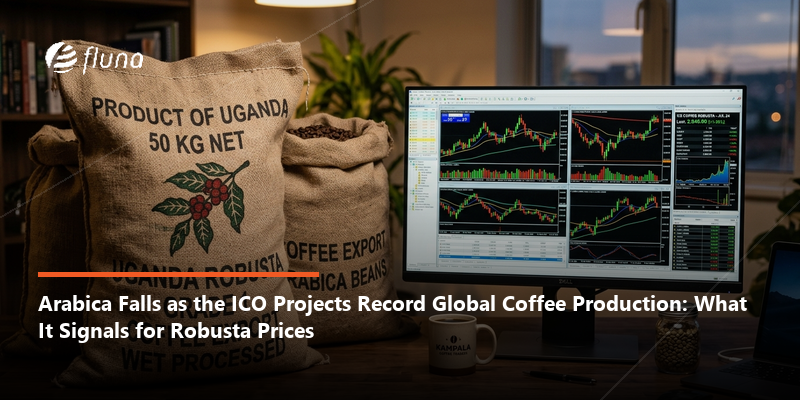
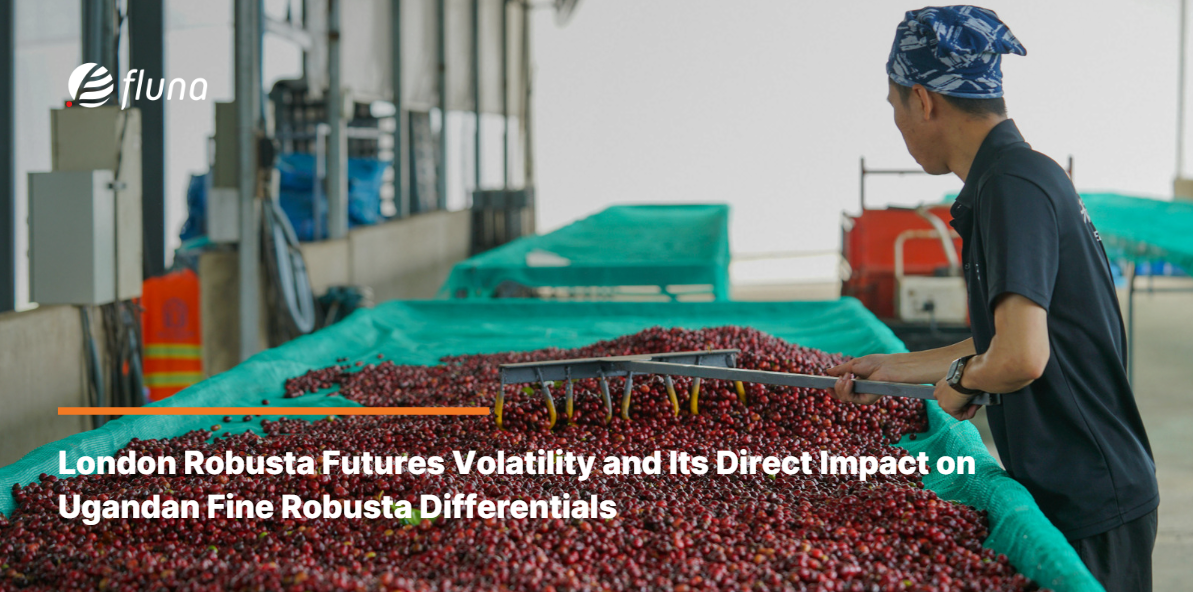
Examine how ICO record production projections and falling Arabica futures impact global Robusta price dynamics and Ugandan green coffee differentials.

Uganda coffee export payment terms rely on Letter of Credit at sight for first transactions and Telegraphic Transfer for repeat orders. Here is what buyers should expect in a green coffee contract.

The ICO Composite Indicator Price blends four group benchmarks, with robusta holding the largest 37.4% weight. Learn how Ugandan exporters read it for origin pricing.

Request plot-level geolocation from your Ugandan coffee supplier before the December 2026 EUDR deadline. Points for small plots, polygons for large ones.

Confirm the exporter on the URSB register, verify the MAAIF coffee export licence, review shipment documents and cup a sample before a single shipment is committed.

Uganda sits at standard risk under EUDR benchmarks, so the 2026 Article 29 review is mostly a downside risk. A move to high risk triples authority check rates and keeps full Article 10 due diligence on Ugandan green coffee.

Uganda's July 2026 coffee exports shifted destinations as Italy's share eased to 29.3 percent while Sudan and Germany gained, signaling a broadening buyer base for green coffee.

The EU added soluble coffee (CN 2101 11 00) to the EUDR scope on 13 July 2026. Newly added products must comply from 30 December 2027, one year after the general deadline. Here is what instant coffee buyers need to know.

Uganda's inaugural Coffee and Cocoa Expo, held in Kampala August 13 to 15, 2026, signals a shift toward value addition and origin branding that green coffee buyers should factor into sourcing.

Ship green coffee from Uganda to Europe via Mombasa in roughly 4 to 5 weeks including buffer. Road, port, and ocean transit each add up. Plan ahead in peak harvest season.

Uganda coffee prices hit their lowest since early July in the first week of September, with Bugisu AA at 293.10 and screen 18 Robusta at 170.83 US cents per pound. Grade gaps show where the discount sits and what to time.

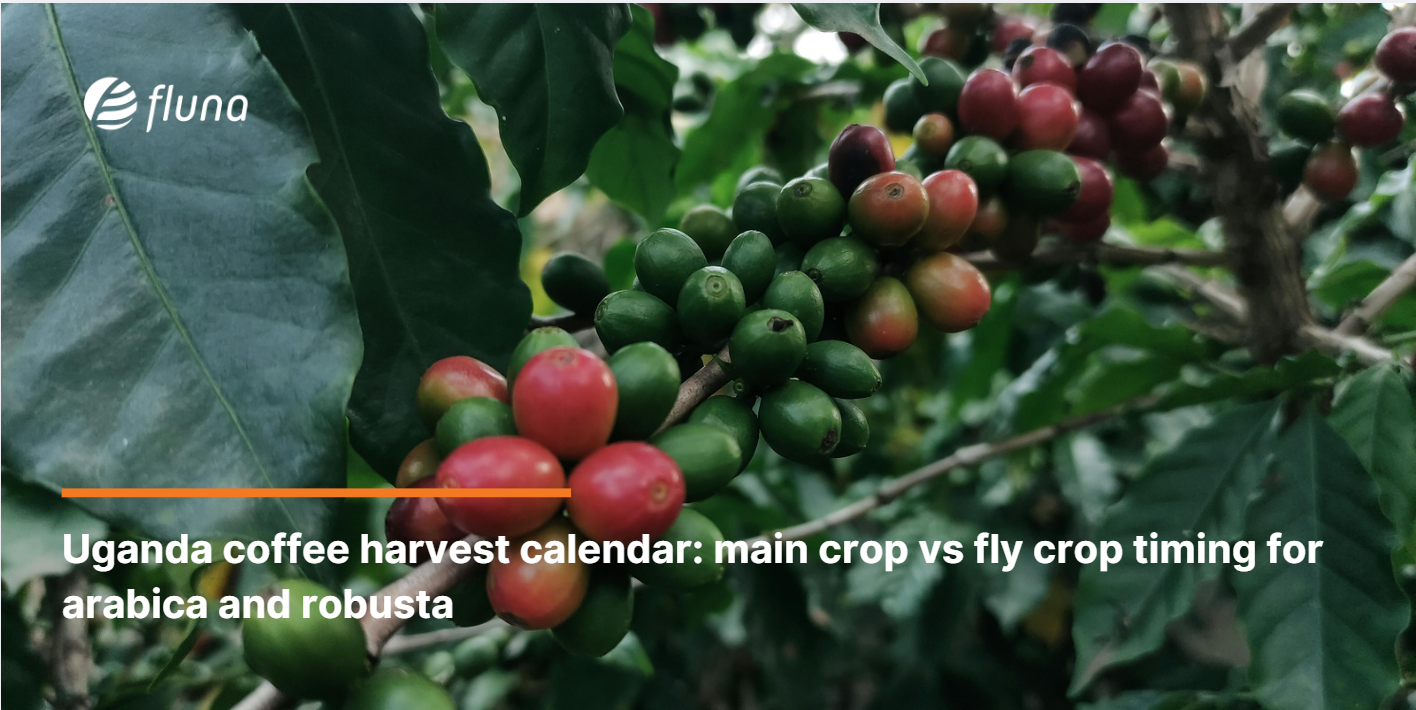
Plan Uganda coffee contracts around two harvests: the main crop from October to February and the smaller fly crop from April to August, across arabica and robusta regions.

Uganda's three active coffee certifications are organic, Fairtrade, and Rainforest Alliance. Learn their premiums and how to verify chain of custody before you buy.

As the EUDR applies from 30 December 2026 for large and medium operators, coffee exporters must register on the TRACES Information System and file due diligence statements before placing goods on the EU market.

Uganda's fly crop has wrapped up. Expect slightly smaller screens and tighter large-bean Robusta supply, with a dry June to August season shaping density and cup ahead of the October main crop onset.

Rabobank warns climate change could make 20% of arabica growing areas unsuitable by 2050. Here is what it means for roasters and long-term supply planning.

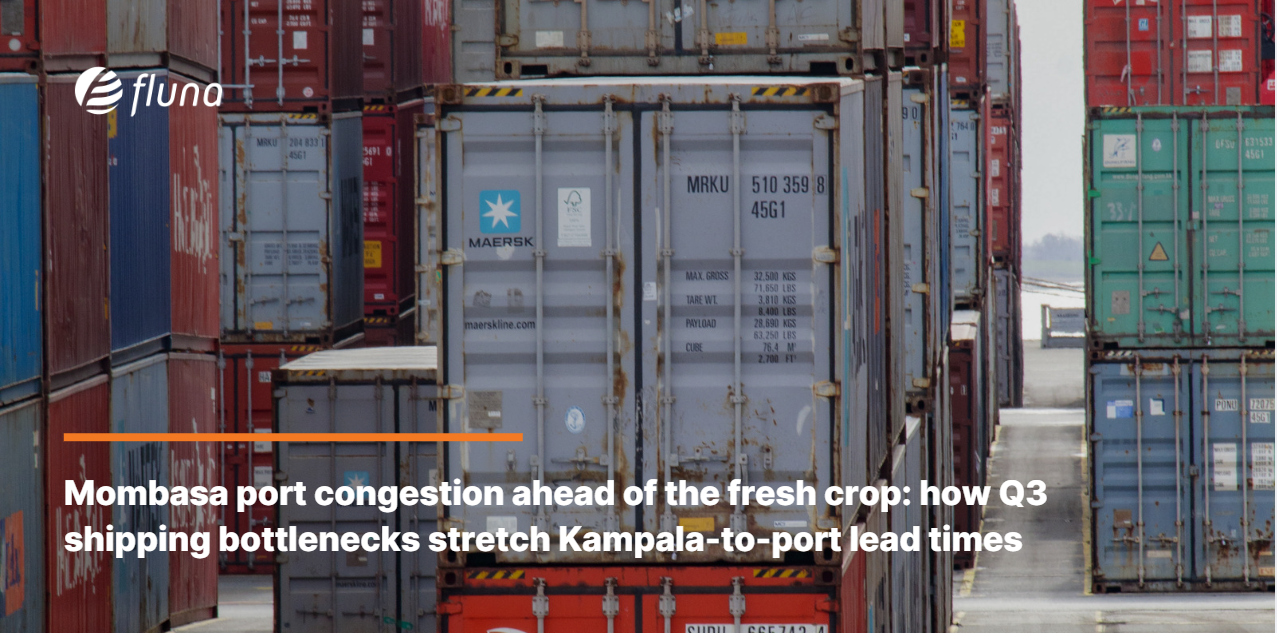
Mombasa port congestion is stretching Kampala-to-port lead times for Ugandan green coffee in Q3 2026. Vessel waiting times hit 5.73 days in late June, up from 3.78 days in May, so roasters should build extra buffer into fresh-crop shipping plans.

Explore how Uganda coffee value addition directives and modern optical dry mills are transforming export quality and boosting origin revenue margins for buyers

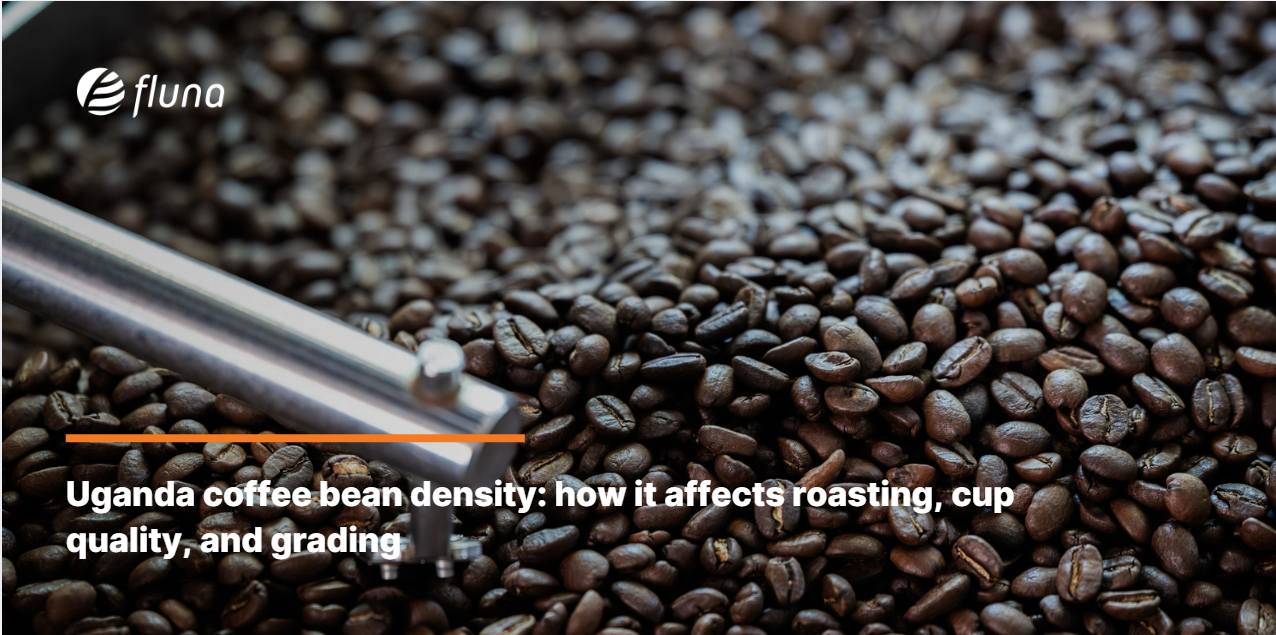
Uganda coffee bean density shapes roasting, cup quality, and grading. Learn how altitude, screen size, and gravimetric sorting affect Ugandan lots.

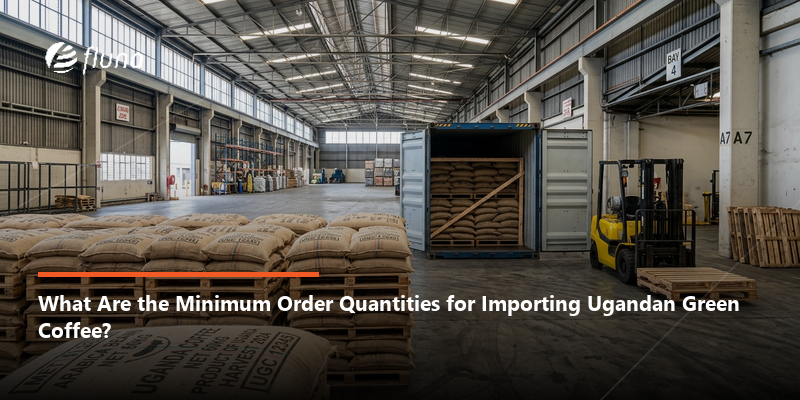
Discover Uganda green coffee minimum order quantity benchmarks, comparing full 20ft containers of 320 bags, LCL pallet loads, and express air freight lots.

Conab's August 17-21 report shows arabica firm on tight stocks and El Niño risk while robusta falls on a record Vietnam crop. Here is what it signals for Ugandan lots.

Uganda's first national coffee brand, launched at World of Coffee Brussels, gives exporters a single origin identity to strengthen EU recognition and the basis for origin premiums.

Discover how the Uganda coffee tourism export model drives buyer confidence, connects roasters to origin terroir, and supports record national export revenues.

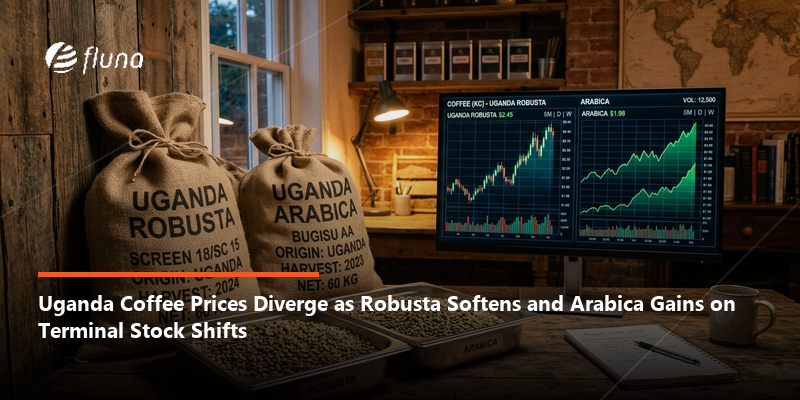
Analyze shifting Robusta price August 2026 trends as ICE Robusta stocks rise while Arabica reaches 27 year lows, creating origin buying opportunities

The ICO calls Uganda's coffee export growth structural, not cyclical. Here is how that changes forward supply planning for buyers sourcing Robusta.

Understand Uganda coffee export quality inspection, discovering how the ministry grades screen sizes, tests moisture, and certifies green coffee lots.

Uganda's standard-risk EUDR status makes station-level traceability essential. Wet and dry mills are where coffee loses farm identity, so registering smallholder deliveries there is the only way to build defensible plot lists for EU audits.

Mombasa-to-Europe lead times now hinge on which service your carrier runs. Here's how to buffer inventory against ocean-leg volatility.

EUDR geolocation coffee mapping rules split at 4 hectares. Uganda's standard-risk status means no postal-address shortcut applies.

Uganda's main crop quality is set by national grade, not region. Here's what Central and Western buyers can verify this season.

Analyze how Uganda coffee harvest weather and dry spells influence northern Robusta cherry filling, screen size distribution, and forward buying strategies.

Decode Uganda green coffee grading standards, mapping Screen 18, Screen 15, and FAQ designations to SCA defect counts, sieve sizes, and roast profiles.

Discover how EUDR coffee product scope for soluble extracts impacts European instant manufacturers, green Robusta sourcing, and physical segregation rules.

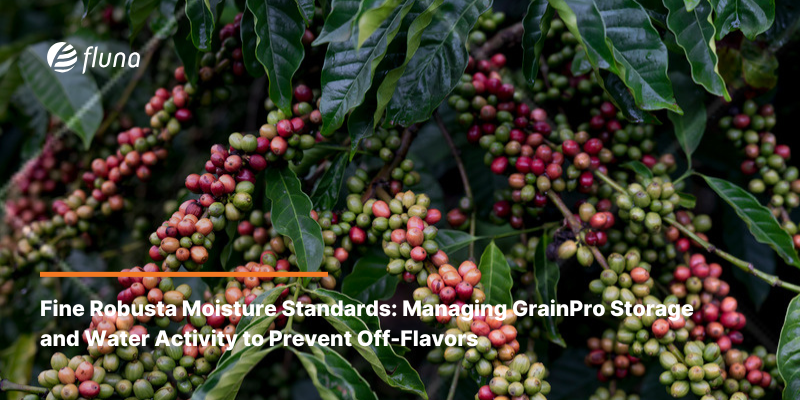
Green coffee moisture content standards need water activity data too. Here's the verified Fine Robusta spec and how GrainPro storage protects it.

Uganda Robusta price differentials aren't set by ICE. Here's how traders track Uganda's FOB quotes against London futures instead.

Calculate green coffee shipping costs Mombasa, comparing FCL and LCL container economics, Northern Corridor trucking fees, and ocean freight break evens.

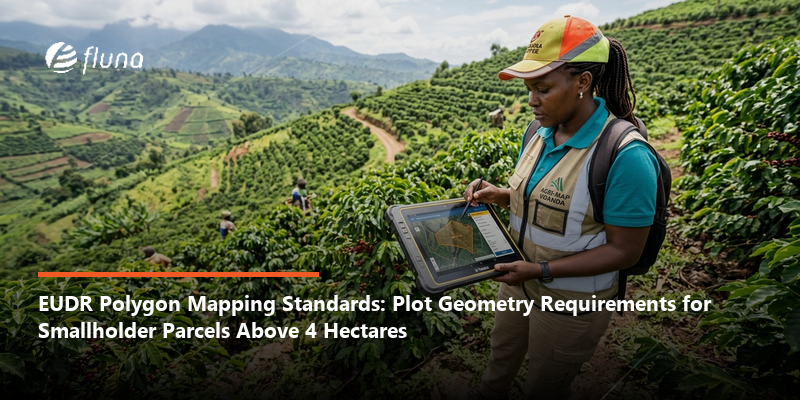
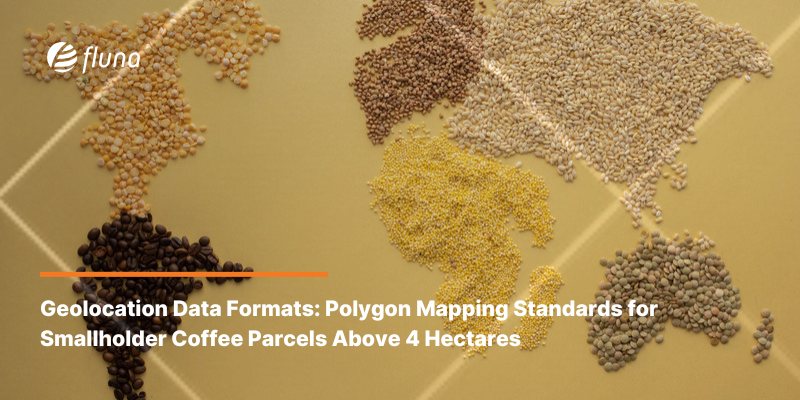
Learn the technical standards for EUDR geolocation coffee mapping, covering polygon requirements for parcels over 4 hectares, precision, and compliance.

Uganda launched a national coffee brand in Brussels to boost EU recognition. Here's what's verified so far, and what it means for buyers.

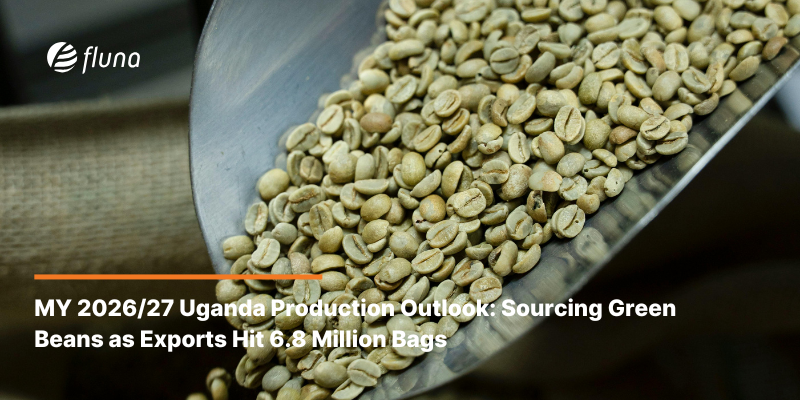
USDA projects Uganda coffee exports to reach 6.8 million bags in MY 2026/27. Here's what the forecast actually says for buyers.

Discover the Bugisu AA coffee flavor profile and compare it with Wugar, analyzing processing methods, cup characteristics, and specialty roasting applications.

Examine how the expanded EUDR coffee product scope for soluble extracts impacts European green sourcing, traceability rules, and Ugandan Robusta demand.

Uganda's main crop quality data is set by national grade standards, not by region. Here's what Central and Western buyers should verify instead.

Roasters relying on FBX for East Africa shipping lead times should note it, unlike Northern Corridor and Red Sea data, doesn't cover Mombasa routes.

A seven step EUDR green coffee due diligence checklist for EU importers booking Ugandan shipments. Verify geolocation, legality, and due diligence statements.

Discover why European roasters use clean Ugandan Natural Robustas to offset high Arabica prices, enhancing espresso crema while controlling input costs.

A new El Niño advisory points to above-normal rainfall through December 2026 across Mt. Elgon. Here is what that means for Bugisu AA buyers this harvest.

TRACES NT is the EU's official EUDR submission system. Here's what's actually confirmed, and not yet confirmed, about linking Uganda's farmer registry to it.

A clear side-by-side of Uganda's DUS 1957 screen grades against SCAA specialty classification, so Screen 18, Screen 15, and FAQ aren't mistaken for SCA grade claims.

SCA's current standard for specialty green coffee is water activity, not moisture percentage. Here is what that means for Fine Robusta and GrainPro storage over long transit.

FCL and LCL shipments from Mombasa face different Kenya Ports Authority charges. Here is the exact port-side cost breakdown and what it means for importers.

ICE Robusta swung from an 8-month low to above $3,900/ton in 2026. Here is how traders can use forward contracts and origin differentials to manage that risk.
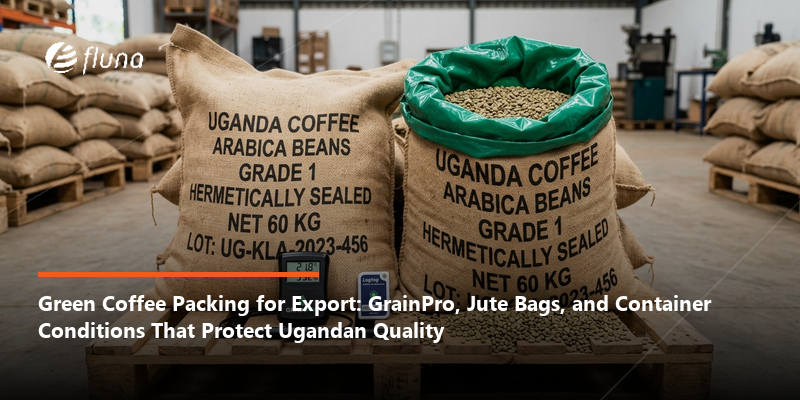
No official EUDR checklist exists, but Article 9's requirements map to seven practical items buyers should request from exporters before booking an FOB or CIF order.

FCL avoids Kenya Ports Authority's CFS and stripping fees that LCL shipments pay. Here is the real cost difference per 20ft container, based on KPA's current tariff.

USDA forecasts Uganda coffee exports reaching 6.8 million bags in MY 2026/27. Here is what the growth means for buyers as Brazil's Robusta output pulls back.

Fine Robusta cupping uses a protocol built for Robusta's own chemistry, not adapted Arabica scoring, here's how Salt/Acid and Bitter/Sweet ratios work and what an 80+ score means.

Bugisu AA and Wugar are both washed Ugandan Arabicas, not a washed-vs-natural pair, here's the real regional and pricing distinction roasters should know.

A clear guide to Uganda's DUS 1957 screen and defect grades versus SCA-style cupping standards, and why "Screen 18" and "specialty grade" aren't the same claim.

Uganda launched its first national coffee brand at World of Coffee Brussels, here's what "It's in Our Nature" means for buyers pricing premium Fine Robusta and Bugisu AA lots.

Global coffee stocks hit a multi-year low in June 2026, here's what tightening supply and grade premiums mean for buyers forward-contracting Screen 15+ Ugandan Robusta.

Uganda's DUS 1957 standard sets fixed moisture and defect limits for Central and Western Robusta grades. Here's how buyers should use it to check current lot offers.

Uganda's national coffee registry gives farmers unique IDs and GPS-mapped records, here's why that data layer matters for European buyers' EUDR due diligence.

Kampala-to-Mombasa logistics face two different risk profiles — a steady inland corridor and a volatile Red Sea leg. Here's what buyers should build into contract timing now.

European roasters are turning to quality-graded Robusta as Arabica prices stay elevated. Here's what the CQI/UCDA Fine Robusta standard means for buyers sourcing Ugandan naturals.

Uganda's shifting 2026 rainfall outlook for Mt. Elgon adds uncertainty to the next Bugisu AA crop, here's what it means for buyers' contracts and quality checks.
EUDR requires coffee geolocation data in GeoJSON/WGS84 format starting December 2026. Here's what exporters and buyers need to know about polygons, points, and file validity.

Uganda's coffee exports hit 8.6M bags worth $2.3B in the past year — here's what the Screen 18 Robusta grade breakdown means for buyer sourcing decisions.

ICE Robusta futures swung from $3,173 to near $3,900/ton in 2026, repricing Uganda farmgate and FOB offers within weeks, here's what buyers need to watch.

Uganda is advancing EUDR compliance through farmer registration and traceability, helping strengthen EU coffee import chains and buyer confidence.

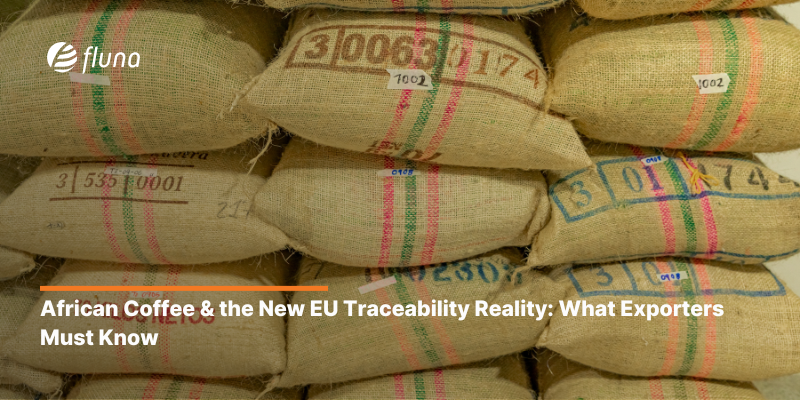
EU traceability rules now require African coffee exports to be fully mapped, verified, and deforestation-free to enter the European market.

See how the Fluna Farmer Collective ensures reliable European delivery for Africa’s fresh produce.

Understand the impact of recent U.S. tariff changes on African agricultural exporters.

Explore how rising global coffee prices affect consumers and Africa’s critical role in stabilizing supply.

Highlighting the crucial role of women in trade and strategies to accelerate Africa’s economic growth.

Meet Martins of Fluna, whose resilience and focus are shaping the company’s success.

Learn how Egyptian citrus exporters are scaling operations to satisfy rising international demand.

Follow the journey of Ugandan coffee as Fluna connects farmers to international markets.
Discover how Fluna Academy equips African exporters with the tools and knowledge to grow globally.
.png)
Discover how Fluna’s invoice discounting solutions help businesses unlock liquidity and strengthen cash flow.
.png)
Go inside the inspiring journey of David Ofosu-Dorte and his impact on Fluna’s engineering innovations.
.png)
Explore how Fluna’s freight financing solutions are enabling African exporters to ship with confidence.

A practical guide for African SMEs and exporters navigating globalization to stay competitive worldwide.

Gain actionable insights from Fluna’s webinar on thriving in the international fruit and vegetable trade.

Unlock the potential of purchase order financing to drive growth for African businesses.

Understand the strategic timing needed to bring African agricultural produce to global markets.
Discover how access to credit financing fuels the growth of African SMEs and exporters.

Explore the global opportunities arising from Africa’s raw cashew nut industry.